

About me
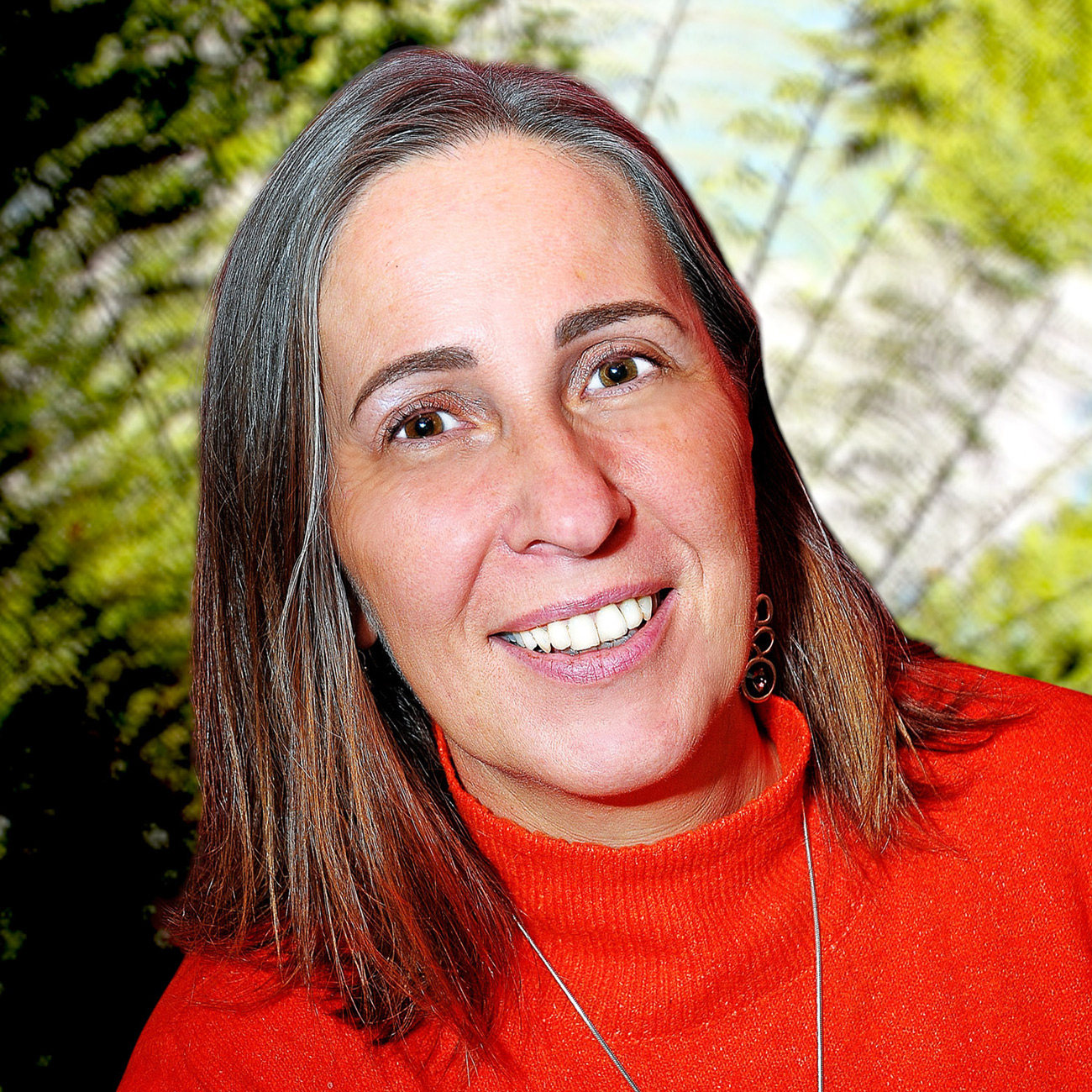
Andrea Ike
Physiotherapist
Born in 1969
| 1992 | Physiotherapy diploma at AKH Vienna www.akhwien.at |
| 2010 | Bed Ecd (Bachelor, Early Childhood Development) www.unisa.ac.za |
| 2012 - dato | Core shamanism according to Michael Harner www.shamanism.eu |
| 2016 | Diploma in Visionary Craniosacral Work according to Hugh Milne www.milneinstitute.com |
| 2021 | ATMA Touch® Practitioner, emotional and bodywork according to Atma Pöschl for professionals in helping and healing professions – Institute Atma www.institut-atma.at |
| 2021 | Master course in visceral therapy www.viszerale-therapie.at |
| 2025 | Biodynamic cardiovascular therapy according to Michael Shea www.sheaheart.de |
| 2025 | Cuddle therapy according to Dr. Elisa E. Meyer www.cuddlers.net  |
| 2026 | Hypnosis Practitioner according to Gereon Jörn www.potenzialwecker.de  |
| 1992 | St. Pölten Regional Hospital, Outpatient Clinic |
| 1993 | Paracelsus Health Resort Salzburg |
| 1993 - 1994 | Nonntal retirement home, Salzburg |
| 1994 | Freelance work in a group practice, Gaisbergstr. 1, Salzburg |
| 1994 - 2010 | Freelancer in Johannesburg, South Africa |
| 2010 - 2012 | Freelance work in: Golling Group Practice Rehabilitation Center for Obesity and Diabetes, Hallein Kurhaus St. Josef, Bad Dürrnberg |
| 2013 - 2017 | Freelancer at Physioteam Red Point, Klessheimer Allee, Salzburg |
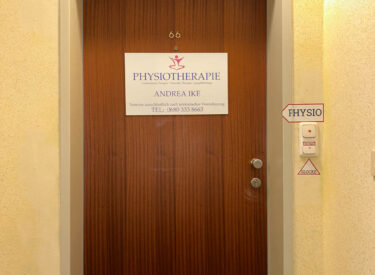
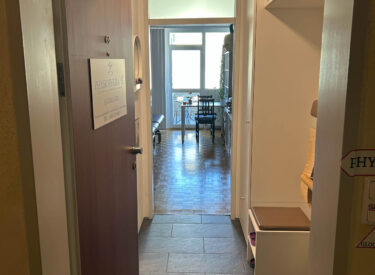
| 2017 - dato | Own physiotherapy practice at Graf Zeppelin Platz 18/66, Salzburg |
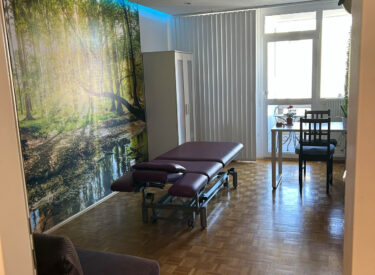
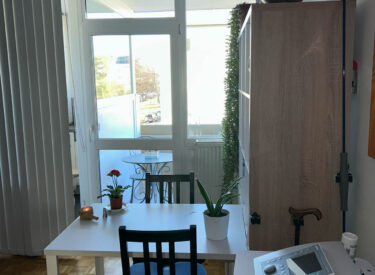
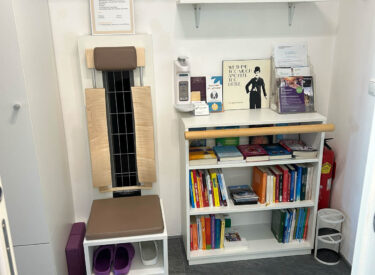
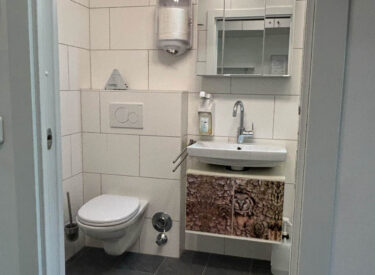
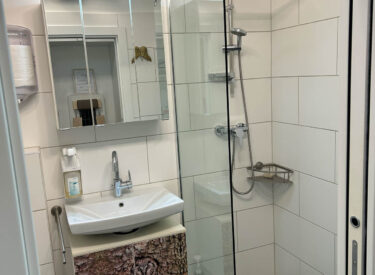
Practice

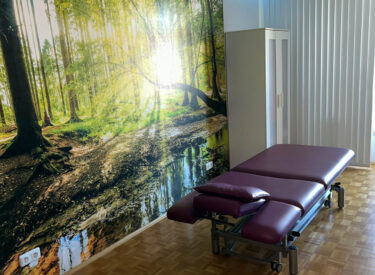
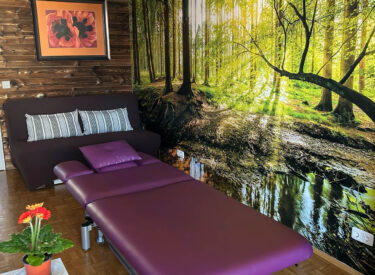
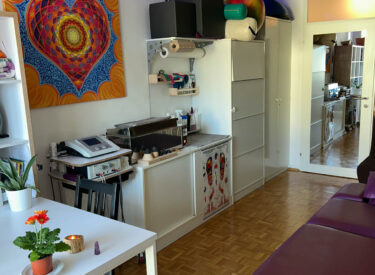
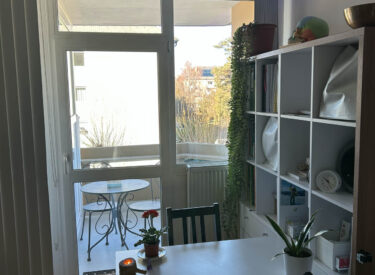
Memberships



Services
Heat therapy using infrared A, B, and C for deep heat treatment of tissue and musculature
Procedure
- Local application of infrared heat.
-
Superficial and deep tissue warming.
-
Treatment duration depending on the indication.
Goal
- Pain relief
-
Muscle relaxation
-
Improvement of circulation and metabolism
-
Enhancement of oxygen supply
Suitable for
- Muscle and joint pain
-
Circulatory disorders
-
Lower back complaints and sprains
-
Chronic inflammation (not in an acute flare)
-
Allergies, neurological conditions, skin disorders

Note
For acute inflammation, prior therapeutic clarification is required.
Specialized massage technique to promote lymphatic drainage and reduce tissue congestion
Procedure
- Gentle, rhythmic manual techniques.
-
Treatment along the lymphatic pathways.
-
Can be combined with compression or movement therapy.
Goal
- Reduction of swelling
-
Promotion of lymphatic drainage
-
Support of the immune system
Suitable for
- Lymphedema
-
Postoperative swelling
-
Venous disorders
-
Swelling after injuries
Note
According to medical prescription or therapeutic indication.
Natural heat therapy using peat, which delivers deep and long-lasting warmth to the tissue
Procedure
- Application of warmed peat packs to the affected area.
-
Longer application time for deep heat.
-
Can be combined with movement therapy.
Goal
- Muscle relaxation
-
Pain relief
-
Stimulation of metabolic processes
-
Relief of the tissue
Suitable for
- Chronic pain
-
Rheumatic complaints
-
Muscle tension
-
Degenerative joint diseases
Note
Not for acute inflammation or certain cardiovascular diseases without consultation.
Therapy using electrical impulses to influence muscles, nerves, and tissue
Procedure
- Application of electrodes to the skin.
-
Targeted electrical stimulation.
-
Adjustment of parameters to the indication.
Goal
- Pain relief
-
Muscle activation
-
Improvement of joint function
-
Promotion of blood circulation and tissue trophicity
Suitable for
- Muscle function disorders
-
Pain
-
Neurological conditions
-
Rehabilitation after injuries
Note
Indication-specific application after physiotherapeutic diagnosis.
Spiritual accompanying method based on core shamanism according to Michael Harner for emotional and personal clarification
Procedure
- Shamanic Extraction
-
Shamanic Divination
-
Shamanic Soul Retrieval
Goal
- Personal and emotional clarification
-
Spiritual orientation
-
Support during life crises
Suitable for
- People with a spiritual interest
-
Personal development processes
-
Support in crisis situations
Note
No medical or psychotherapeutic treatment.
Further information: www.shamanism.org
Quotes
The cure for pain lies in the pain. Good and bad are mixed. If you do not know both, you are not one of us.
The path to the center leads through letting go: Am I willing to give up what I have to become what I am not yet?
The soft survives the hard. Who you are means more to your child than what you teach them. If your heart hardens and you taste bitter words in your mouth, step back. Let your spirit go into your soft heart. Breathe kindness and remain silent.
If I knew that tomorrow the world would end, I would still plant an apple tree today.
Die while you are alive and be utterly dead. Then do whatever you want: It will be alright.
There is a path between speaking and presence where information flows. It closes during constant speaking; it opens in silence.
Patient Information
What is physiotherapy?
Physiotherapy is the targeted treatment of impaired physiological functions of the human musculoskeletal system. Physiotherapy uses the body’s natural physiological adaptation mechanisms to achieve therapeutic effects
How does physiotherapy work?
As a natural therapeutic approach, physiotherapy makes use of
- passive movement guided by external forces, e.g. the physiotherapist, and
- active, independently performed movement by the individual to maintain health or to restore and rehabilitate functional disorders of the musculoskeletal system. Physiotherapy is therefore an alternative or a meaningful complement to medication-based and surgical treatment
The three-year training program to become a physiotherapist is regulated by law, and the professional title is protected
Physiotherapy always works through a holistic approach. Based on the medical diagnosis, therapy goals are defined to maintain, restore, and improve functional disorders and the overall performance of the organism
Physiotherapeutic Assessment
Every physiotherapeutic treatment begins with a detailed physiotherapeutic assessment by the physiotherapist, where all structures that may be related to a problem are thoroughly tested and evaluated. This forms the basis for creating a precise treatment plan. A reassessment during and before each therapy session allows the treatment to be individually adjusted and modified accordingly.
The aim of physiotherapy
The overarching goal is for patients of all ages to acquire the skills they need to cope with everyday life, work, and leisure activities in their personal circumstances through therapy.
When is physiotherapy used?
Areas of application by medical specialties
Physiotherapy in trauma surgery and orthopedics (post-treatment)
- Fractures
- Corrective surgeries (osteotomy)
- Joint replacement with artificial joints (endoprostheses)
- Joint surgery (e.g. arthroscopy)
- Ligament, tendon, and muscle tears
- Inflammatory joint diseases (e.g. rheumatism)
- Joint degeneration (osteoarthritis)
- and much more
Physiotherapy in the field of neurology
- Children with cerebral impairments
- Young and school-aged children with postural weaknesses and spinal curvatures (scoliosis)
Physiotherapy for diseases of the internal organs
- Respiratory system diseases (e.g., asthma, cystic fibrosis, following thoracic surgery)
- Cardiovascular and vascular diseases (e.g., arterial and venous disorders, lymphedema)
- Diseases of the kidneys, urinary, and reproductive organs (e.g., urinary incontinence)
Physiotherapy in the field of gynecology
- Pregnancy exercises
- Incontinence issues
What are the costs for physiotherapy?
I work for you as an elective physical therapist. This means that I will send you an invoice at the end of your treatment.
Once you have paid these costs, you can apply to your health insurance provider for reimbursement. You will receive a list of the currently valid insurance rates during your first treatment.
What do I need for the refund?
- Fee note
- Payment receipt
- Fully completed and signed prescription form (original)
- The prescription approved by the health insurance fund
- Bank account details
Appointments that are not canceled at least 24 hours in advance will be billed PRIVATELY!
What is craniosacral therapy?
Upledger CranioSacral Therapy® is a holistic and system-oriented method. It treats the whole person—physically, energetically, and emotionally—and promotes relaxation of the craniosacral system.
The craniosacral system comprises
- Skull (cranium), spine, and sacrum
- Spinal cord and meninges
- Spinal cord and brain fluid (cerebrospinal fluid)
- All structures involved in cerebrospinal fluid production and resorption
It surrounds the central nervous system, protecting and nourishing it. The craniosacral system interacts with all structures and regulatory cycles in the body. These include the nervous and endocrine systems, the vascular and lymphatic systems, respiration, and the musculoskeletal system.
How is craniosacral therapy performed?
On the clothed body with mindful touch. Careful contact creates an environment in which the person being treated can feel perceived in their entirety.
This safe and secure atmosphere facilitates relaxation. Throughout the process, emotions or memories may surface, which are treated with respect and integrated in the best possible way.
The goal of craniosacral therapy
Relaxation of all body tissues, especially the craniosacral system. Craniosacral therapy supports self-healing, health, and well-being at every age.
It plays an important role in healthcare and has a supportive influence in the following areas, for example
- Neck and back pain, joint and muscle pain
- Headaches, migraines
- Respiratory diseases
- Recurrent infections and autoimmune diseases
- Orthodontic problems
- Overwork, exhaustion, burnout, psychosomatic illnesses
- Desire to have children and pregnancy support
- Breastfeeding problems, colic, crying babies
- Concentration and learning difficulties, developmental delays
What is visceral therapy?
We live as long as our internal organs function. We can move as long as our bones, ligaments, and muscles function well.
Visceral therapy is the integration of the musculoskeletal system with the organ system. Our organs are attached to the musculoskeletal system, which gives them support and their place in the body. They therefore have a strong connection to the spine, pelvis, ribs, shoulder girdle, bones, muscles, and fascia.
Organ dysfunction can occur for many reasons: infections, surgery, poor nutrition, poor posture, scoliosis, or emotional stress. The consequence of this is that the affected organs build up tension, which is then transferred to the musculoskeletal system. For example, constipation or cystitis can lead to discomfort in the hip joint or lumbar spine (pain, disc problems, spondylolisthesis, etc.).
What do I need to bring with me to my first treatment?
For your first treatment, please bring a prescription from your family doctor or specialist, as well as any doctor’s letters, surgical reports, findings, and X-ray images, if available, and a large bath towel or sheet for the treatment table.
What is Biodynamic Cardiovascular Therapy (BCVT)?
Biodynamic Cardiovascular Therapy (BCVT) according to Michael J. Shea is a very gentle, manual method that applies the principles of biodynamic craniosacral therapy to the heart, blood vessels, and bodily fluids. It combines light hand placement, awareness of slow bodily rhythms (e.g., “primary respiration”) with mindfulness and compassionate presence.
Goals
- Supports the self-regulation of the cardiovascular system, particularly the vascular endothelial layer and cellular metabolism.
- Promotion of inner security, relaxation, and embodied wholeness.
- Additional relief for symptoms related to chronic stress, dysregulation, or pre-/perinatal influences.
- Promoting compassion and a secure therapeutic relationship as part of the healing process.
Treatment procedure
- Duration: usually approx. 45–60 minutes (variable).
- Setting: Patient lies fully clothed on the treatment table; therapist works with very light, focused hand pressure over the heart region, major arteries, and relevant areas of the body.
- Approach: calm, mindful presence of the therapist; perception and reinforcement of slow rhythms (primary respiration, stillness, mid-tide, CRI); gentle palpation cues; no forceful manipulations.
- Series of sessions: usually several sessions are recommended, depending on the goal and progress.
What patients may feel or expect
- Short term: deep relaxation, reduction of tension or anxiety, altered perception of the body or heart; occasional emotional reactions (relief, sadness).
- Medium to long term: possible improvement in autonomic regulation, better stress management, increased well-being; subjective stabilization of symptoms related to dysregulation.
- Not to be expected: specific cure of acute or advanced organic heart disease through BCVT alone.
Safety and contraindications
- BCVT is very gentle and is generally considered low risk.
- In cases of known severe cardiovascular disease, blood clotting disorders, recent surgical wounds, or other serious medical conditions, the treating physician should be consulted prior to treatment.
- Please inform me about heart surgery, stents, pacemakers, medications, and relevant pre-existing conditions.
Preparation and notes after the session
- Beforehand: comfortable, light clothing; a light meal; have a list of current medications and diagnoses ready.
- Afterwards: relax, drink plenty of fluids; note any observations or changes (useful for follow-up treatments).
Evidence Note
BCVT is based on biodynamic/manual therapy theory and clinical experience; high-quality randomized studies on its specific efficacy in cardiovascular diseases are currently limited. The method is to be classified as complementary and supportive, not as a substitute for medically necessary cardiological diagnostics or treatment.
What is cuddle therapy?
Means:
Caressing, holding, kneading, breathing together, hugging/pressing
It helps with::
lack of physical contact
against high blood pressure
immune deficiency
anxiety
depression
stress
losses, transitions
to overcome separations
The benefits are:
production of oxytocin
reduction of cortisol
new awareness for your body
blissful state of being
Thought loops dissolve
Self-confidence is strengthened
Joy of life increases
Rules:
There is a set of rules that need to be agreed on and signed by either party prior to the session.
these are:
cuddling takes place dressed
no kissing
intimate areas are off limits
no sexual touch or actions
no private contact to the cuddler
What is hypnosis?
Hypnosis is a form of communication, a trance state with maximum concentration on one point. I have no power over you and cannot solve your problems, but I can show you the way to solve them, and you must walk that path yourself.
Use for:
- health issues
- anxiety/insecurity
- losing weight
- become a non-smoker
- limiting beliefs
- grief counseling
- dealing with forgiveness
- sleep problems
- personality issues
- coming to terms with the past
- recover memories
- business topics (e.g., success)
- Intuition building
Reading List
- Kosmos und Psyche / Stanislav Grof
- Heimkehr der Seele – Schamanische Selbstheilung / Sandra Indermann
- Trauma-Heilung: Das Erwachen des Tigers. Unsere Fähigkeit, traumatische Erfahrungen zu transformieren / Peter A. Levine
- Sein lassen: Heilung im Leben und im Sterben / Stephen Levine
- Wege durch den Tod / Stephen Levine
- Bio-Energetik. Therapie der Seele durch Arbeit mit dem Körper / Alexander Lowen
- Aus der Mitte des Herzens lauschen, Bd. 1. Eine visionäre Annäherung an die Craniosacralarbeit / Hugh Milne
- Aus der Mitte des Herzens lauschen, Bd. 2. Eine visionäre Annäherung an die Craniosacralarbeit / Hugh Milne
- Traumkörper und Meditation. Arbeit an sich selbst / Arnold Mindell
- Der Leib und die Träume: Prozeßorientierte Psychologie in der Praxis / Arnold Mindell
- Traumkörper-Arbeit oder Der Weg des Flusses / Arnold Mindell
- Das Buch der fünf Ringe: Klassische Strategien aus dem alten Japan / Miyamoto Musashi
- Migräne / Oliver Sacks
- Das sensible Chaos: Strömendes Formenschaffen in Wasser und Luft / Theodor Schwenk
- Achtsamkeit für Anfänger / Jon Kabat-Zinn
- Handbuch zur Sünde: Der Leitfaden für eine ausgeglichene, gesunde Ernährung und ein langes Leben / Jörg Krebber
- Die Arthrose-Lüge / Dr. med. Petra Bracht
- Den Dämonen Nahrung geben: Buddhistische Techniken zur Konfliktlösung / Tsültrim Allione
- Nie wieder – Dumm wie Brot: Schlank und schlau ohne Getreide / Dr. David Perlmutter
- FaYo Das Faszien-Yoga: Die enorme Heilkraft des Bindegewebes nutzen / Dr. med. Petra Bracht
- Mit der Seele heilen / Bernie Siegel
- Prognose Hoffnung: Liebe, Medizin und Wunder / Bernie Siegel
- Sieben Pfeile / Hyemeyohsts Storm
- Zen-Geist – Anfänger-Geist: Unterweisungen in Zen-Meditation /
- Auf den Inneren Arzt hören: Eine Einführung in die CranioSacrale Therapie / John E. Upledger
- I Ging: Das Buch der Wandlungen / Richard Wilhelm
Contact
The 5th heart chamber
Physiotherapy / CranioSacral Therapy
Andrea Ike
Graf Zeppelin Platz 18/2/66
5020 Salzburg
Phone: +43 680 3338663
- Barrier-free, elevator available
- Parking spaces directly in front of the building
- Bus connections: 9, 28 (Otto von Lilienthalstrasse)
- Treatment room available exclusively for your use
- Treatment time 45 to 60 minutes
Appointments
Appointments exclusively by telephone arrangement *
* Thank you for your understanding that I am unable to answer the phone during treatment sessions. In this case, please leave a message along with your phone number, and I will return your call as soon as possible.
Please cancel scheduled appointments at least 24 hours in advance, as it is otherwise not possible to reassign the time slot and the appointment will have to be billed privately.